I made a discovery about how habits govern 43% of our daily lives. It makes sense, especially if you have a stable job where you have to do the same things every day. But here’s the highlight of my discovery: habits are not about what you do but how you do them. For that percentage, you need to pay more attention to it.
I’ll try not to bore you with the details of how it works, but there’s one thing that you have to know. You seldomly have control over your habits once you can perform the action without thinking. Something like brushing your teeth, it’s clockwork. You don’t have to think about it. Once your brain sees the cue of picking up a toothbrush, the rest is history.
Which is why change is hard, because you’re already used to how it has been or how it works. We all have good and bad habits and aside from an adjective difference, they come from the same foundation of persistence. But somehow, you always notice your bad habits and those of other people more than the good ones. Why?
You think your good habits are unintentional, while bad habits are intentional. That is wrong. Your good habits are simply a product of persistence, just like the bad ones. You smile every time and people know you as a cheerful person or you always snooze on your alarm and are constantly in a rush. Both are habits but different outcomes.
Imagine how hard it was the first time you learnt how to read, and if you had to go through that repeatedly each time you want to read. But you don’t need to. It’s second nature now, sometimes you even read without meaning to. That’s essentially what habits are, good or bad. It’s the little repeated actions that require almost no mental energy, like a default mode of functioning.
Although you and I can now see the cracks in that default mode, so we want to customize it, make it better, but it’s hard. We change the settings for a few days, but somehow find ourselves back in default mode. It’s safe and easy. We can apologize and say “that’s just who I am”. If customization were impossible, we wouldn’t have the option. There’s a high chance you’re already set in your ways if you’re reading this, but there’s also the possibility of recalibration.
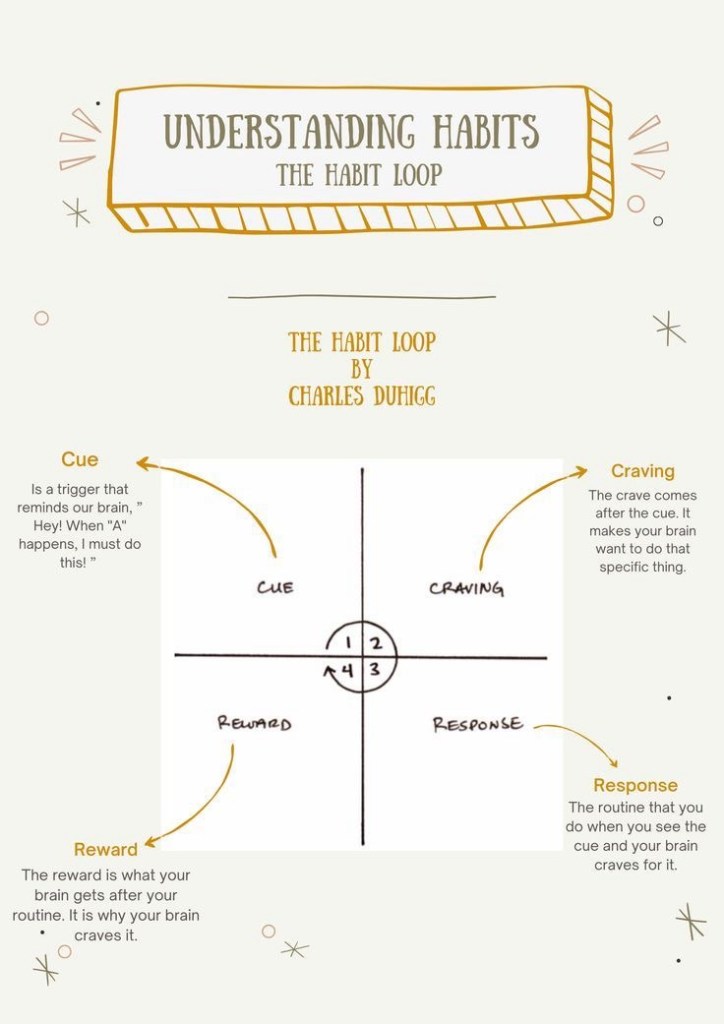
How? Change your cues, and then be persistent with the change. Do the new thing repeatedly that even if there was no reward for doing it, you’ll still do it. It’s easier said than done, I know. But once that alarm goes off, get up, don’t give yourself time to rationalize about how five more minutes wouldn’t hurt.
Each time you notice a bad habit, switch. Don’t postpone it till next time, or berate yourself for doing the wrong thing. Just switch. Keep switching until the only way to do it is the new way you want to. Persist until the alarm goes off in your head before you hear it. It’ll take a while, but you’re past the age of instant gratification, dear.
Song of the moment – In the Light by Michael Marcagi.
Ramadan Mubarak to my muslim readers and welcome to Passion week Christians. Make your moments count this week, love always. ❤️


 Grace's Blog
Leave a reply to Goodnews Chidera Cancel reply